The Ultimate Guide to Training Your White Swiss Shepherd

Training a White Swiss Shepherd can be an incredibly rewarding experience. These dogs are known for their intelligence, loyalty, and strong work ethic. However, like any breed, they require proper training and socialization to thrive. In this guide, we will explore effective training techniques, tips for socialization, and how to build a strong bond with your White Swiss Shepherd.
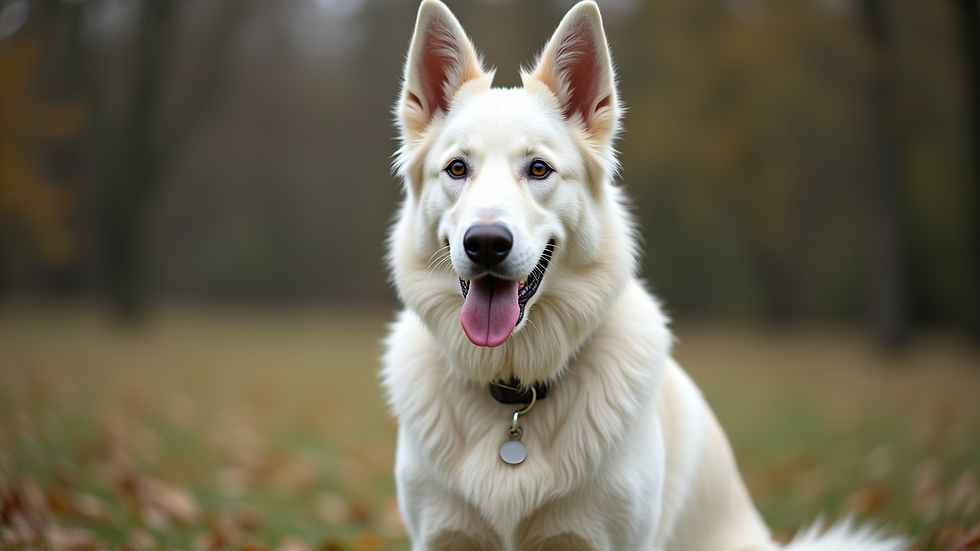
Understanding the White Swiss Shepherd
Before diving into training techniques, it’s essential to understand the characteristics of the White Swiss Shepherd. This breed is a variation of the German Shepherd, distinguished by its striking white coat. They are known for their:
Intelligence: White Swiss Shepherds are highly intelligent and eager to learn, making them excellent candidates for training.
Loyalty: They are devoted to their families and can be protective, which is a trait that can be harnessed during training.
Energy: These dogs are active and require regular exercise, which should be incorporated into their training routine.
Understanding these traits will help you tailor your training approach to suit your dog's unique needs.
Basic Training Techniques
Start Early
The best time to begin training your White Swiss Shepherd is during puppyhood. Early training helps establish good habits and socialization skills. Here are some key points to consider:
Socialization: Expose your puppy to various environments, people, and other animals. This helps them become well-adjusted adults.
Basic Commands: Teach essential commands such as “sit,” “stay,” “come,” and “down.” Use positive reinforcement techniques, such as treats and praise, to encourage good behavior.
Consistency is Key
Consistency in training is crucial. Use the same commands and cues every time to avoid confusing your dog. Here are some tips for maintaining consistency:
Training Schedule: Set aside specific times each day for training sessions. Short, frequent sessions (5-10 minutes) are more effective than long, infrequent ones.
Family Involvement: Ensure that all family members use the same commands and training techniques to create a unified approach.
Positive Reinforcement
Positive reinforcement is one of the most effective training methods. This involves rewarding your dog for good behavior rather than punishing them for mistakes. Here’s how to implement it:
Rewards: Use treats, toys, or praise as rewards for completing commands or exhibiting good behavior.
Timing: Reward your dog immediately after they perform the desired behavior to help them make the connection.
Advanced Training Techniques
Once your White Swiss Shepherd has mastered basic commands, you can move on to more advanced training techniques. These can include:
Obedience Training
Obedience training focuses on teaching your dog to follow commands reliably. This can be done through:
Group Classes: Enroll in obedience classes where your dog can learn in a structured environment with other dogs.
Home Practice: Continue practicing commands at home, gradually increasing distractions to ensure your dog can obey in various situations.
Agility Training
Agility training is a fun way to engage your dog physically and mentally. It involves navigating an obstacle course, which can improve their coordination and confidence. Here’s how to get started:
Equipment: Invest in agility equipment such as tunnels, jumps, and weave poles.
Gradual Introduction: Start with simple obstacles and gradually increase the difficulty as your dog becomes more comfortable.
Specialized Training
Depending on your interests, you may want to explore specialized training options such as:
Service Dog Training: If you’re interested in training your dog to assist individuals with disabilities, consider enrolling in a service dog training program.
Search and Rescue: White Swiss Shepherds have a strong sense of smell and can excel in search and rescue training.
Socialization Tips
Socialization is a critical aspect of training that helps your White Swiss Shepherd become a well-rounded dog. Here are some effective socialization strategies:
Puppy Playdates
Arrange playdates with other puppies or friendly adult dogs. This helps your dog learn appropriate social behaviors and reduces the likelihood of aggression or fearfulness later in life.
Exposure to Different Environments
Take your dog to various places, such as parks, busy streets, and pet-friendly stores. This exposure helps them become comfortable in different settings and reduces anxiety.
Positive Experiences
Ensure that all socialization experiences are positive. If your dog encounters something frightening, provide reassurance and treats to help them associate the experience with something good.
Building a Strong Bond
Training is not just about commands; it’s also about building a strong bond with your White Swiss Shepherd. Here are some ways to strengthen your relationship:
Quality Time
Spend quality time with your dog through activities such as:
Walking: Regular walks provide exercise and an opportunity for bonding.
Playtime: Engage in interactive play with toys to build trust and strengthen your connection.
Communication
Develop clear communication with your dog. Use consistent commands and body language to convey your expectations. This helps your dog understand what you want and fosters a deeper bond.
Patience and Understanding
Training can be challenging, and every dog learns at their own pace. Be patient and understanding, and celebrate small victories along the way.
Common Training Challenges
Training a White Swiss Shepherd can come with its challenges. Here are some common issues and how to address them:
Distraction
White Swiss Shepherds can be easily distracted, especially in busy environments. To combat this:
Practice in Low-Distraction Areas: Start training in quiet spaces and gradually introduce distractions as your dog becomes more focused.
Use High-Value Rewards: Offer more enticing treats or toys when training in distracting environments.
Stubbornness
Some White Swiss Shepherds may exhibit stubborn behavior. To encourage cooperation:
Make Training Fun: Incorporate games and play into training sessions to keep your dog engaged.
Be Firm but Fair: Maintain a confident and assertive demeanor while being kind and understanding.
Fearfulness
If your dog shows signs of fear or anxiety, it’s essential to address these issues promptly. Here’s how:
Desensitization: Gradually expose your dog to the source of their fear in a controlled manner, rewarding them for calm behavior.
Seek Professional Help: If fearfulness persists, consider consulting a professional dog trainer or behaviorist.
Conclusion
Training your White Swiss Shepherd is a journey that requires patience, consistency, and love. By understanding their unique traits and employing effective training techniques, you can foster a strong bond and ensure your dog becomes a well-behaved member of your family. Remember to celebrate the small victories and enjoy the process. With dedication and commitment, your White Swiss Shepherd will thrive and bring joy to your life for years to come.
Now that you have the tools and knowledge to train your White Swiss Shepherd, it’s time to get started. Begin with basic commands, focus on socialization, and build a strong relationship with your furry friend. Happy training!
Comments